

Modern human resources departments are drowning in disconnected data. According to recent industry analysis, organizations using fragmented HR tech stacks spend an average of 20% more time on administrative tasks than those with integrated systems. This inefficiency directly impacts employee engagement and compliance readiness. The solution lies in evaluating unified Human Capital Management (HCM) platforms that consolidate HR, payroll, time & labor, and benefits into a single source of truth. This guide provides a rigorous framework for assessing these systems to ensure your organization selects a partner that supports long-term growth. (Contact Us OnePoint HCM)
Core HR and the One Employee Record
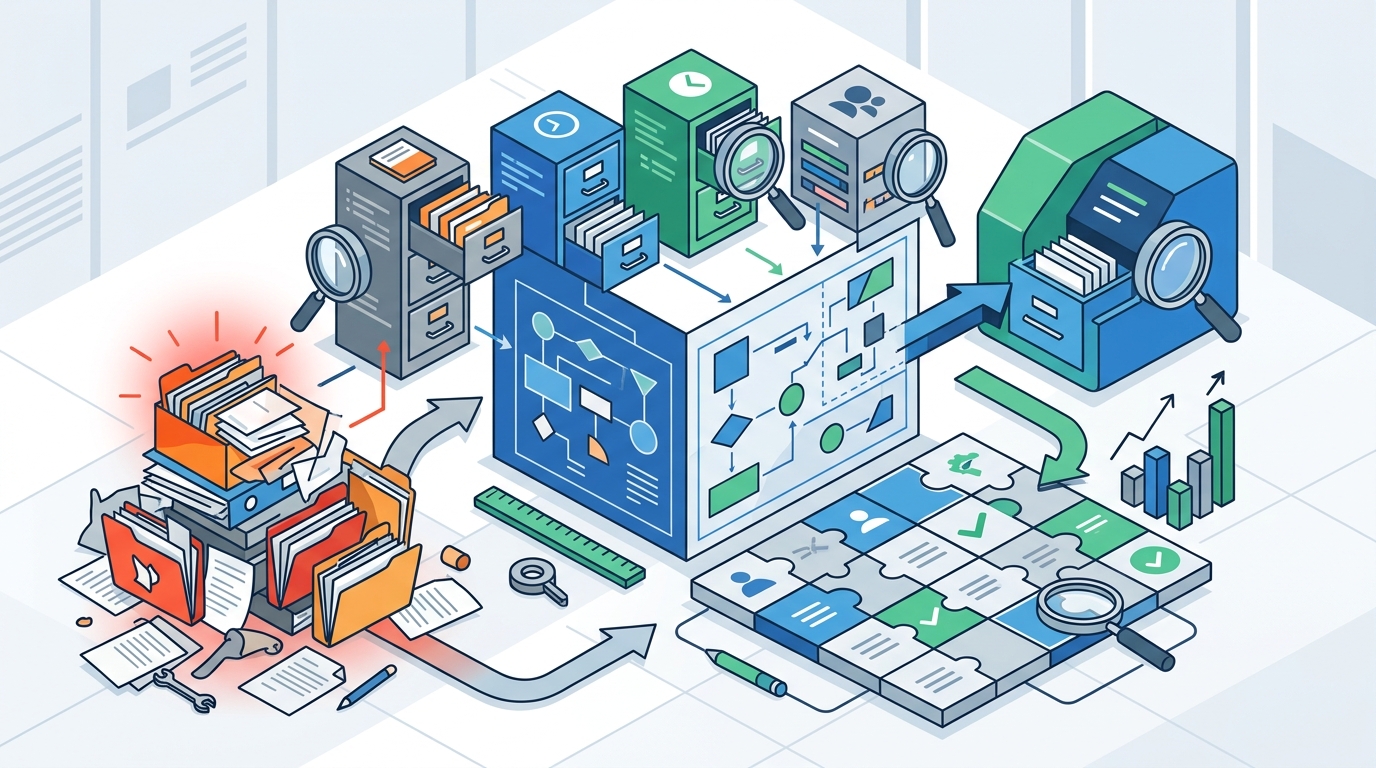
The foundation of any unified HCM platform is the integrity of its core HR module. When evaluating software, you must look for the concept of a "One Employee Record." This architecture ensures that every data point, from personal details to performance reviews, resides in a single, centralized database. Without this unification, HR teams face the risk of data silos, where information in the recruitment module does not sync with payroll or benefits administration.
During your evaluation, verify how the system handles data entry. Does it allow for bulk updates? Can it manage complex organizational hierarchies? A robust platform will offer a unified view that eliminates the need for manual data reconciliation. This reduces the likelihood of errors that can lead to compliance penalties or payroll discrepancies. Look for platforms that emphasize "Human Connection Management" over mere capital tracking, ensuring the technology serves the employee experience rather than complicating it.
Payroll Accuracy and Seamless Data Flow
Payroll is the most critical function in any HCM system. Errors here can damage employee trust and incur significant legal liabilities. When evaluating payroll features, prioritize platforms that offer seamless data flow from time tracking and HR modules directly to the payroll engine. This automation minimizes manual entry and ensures that changes in employee status, such as promotions or terminations, are reflected immediately in pay calculations.
Assess the platform's ability to handle complex pay structures. Does it support piece-rate pay for manufacturing or retail workers? Can it manage multi-state tax compliance automatically? According to payroll industry reports, automated tax filing reduces compliance errors by over 90% compared to manual processes. Ensure the vendor provides real-time reporting capabilities so you can monitor payroll costs and liabilities as they happen. The ability to run payroll on mobile devices also adds a layer of flexibility for HR leaders who need to approve transactions remotely.
Time, Labor, and Scheduling Precision
Time and labor management is often the most complex module to integrate. A unified HCM should offer advanced scheduling tools that allow managers to build schedules based on labor budgets and employee availability. Look for self-service features that empower employees to swap shifts, request time off, and view their schedules without constant administrative intervention.
Evaluate the accuracy of timekeeping features. Does the system support geofencing for remote or field workers? Can it handle complex overtime rules specific to your industry? For example, healthcare and manufacturing sectors often have strict regulations regarding break times and overtime accruals. A superior platform will automate these calculations, reducing the risk of wage and hour violations. Additionally, check if the system offers advance scheduling capabilities that help prevent understaffing during peak periods.
Benefits Administration and Compliance
Benefits administration is a major pain point for HR teams. A unified HCM should simplify enrollment, tracking, and compliance reporting. When evaluating this module, look for a unified solution that integrates with major carriers and allows for seamless ACA (Affordable Care Act) compliance management. This includes automated tracking of full-time equivalent (FTE) hours to determine eligibility.
Consider the employee experience during enrollment. Does the platform offer a user-friendly interface that guides employees through complex benefit choices? Look for features like COBRA management and carrier connections that reduce administrative burden. According to benefits administration studies, organizations that automate ACA compliance see a significant reduction in audit risks. Ensure the vendor provides clear reporting tools that help you track benefit costs and participation rates in real time.
Recruitment and Onboarding Continuity
The evaluation process should extend to the front end of the employee lifecycle. A truly unified HCM platform connects recruitment and onboarding directly to core HR. This continuity ensures that new hires are set up correctly from day one, with their information automatically flowing into payroll and benefits systems.
Assess the recruitment tools for ease of use. Can you post jobs to multiple job boards with a single click? Does the platform offer applicant tracking features that help you manage candidates efficiently? For onboarding, look for automated workflows that assign tasks to new hires and managers. This reduces the time HR spends on manual paperwork and ensures a consistent onboarding experience. The goal is to track an employee from recruitment to retirement using one continuous record.
Integration Ecosystem and API Flexibility
No single platform can do everything. Therefore, the integration ecosystem is a critical evaluation criterion. A unified HCM must offer robust API capabilities and pre-built integrations with other business tools. Look for platforms that connect seamlessly with Google Workspace, user provisioning systems, and major accounting software.
Check the vendor's integration directory for compatibility with your existing tech stack. Does it support single sign-on (SSO) for enhanced security? Can it integrate with your existing HRIS or CRM if you are migrating from another system? According to IT infrastructure reports, organizations with integrated systems report a 30% increase in operational efficiency. Ensure the platform offers a marketplace or directory of certified integrations to simplify the setup process.
Vendor Partnership and Service Commitment
Software is only as good as the support behind it. When evaluating HCM vendors, look beyond the feature list to their service commitment. Do they offer dedicated partners who understand your industry? Are they proactive in helping you identify solutions for your specific business needs?
Consider the vendor's track record in your sector. Do they have success stories from companies similar to yours in size and complexity? Look for testimonials that highlight their responsiveness and expertise in areas like compliance and benefits administration. A vendor that acts as a true partner will help you navigate regulatory changes and optimize your use of the platform over time. This long-term relationship is crucial for maximizing the ROI of your HCM investment.
Comparing Unified HCM Platforms
The following table summarizes key evaluation criteria for unified HCM platforms. Use this matrix to score potential vendors during your selection process.
| Feature Category | Key Evaluation Metric | Why It Matters |
|---|---|---|
| Core HR | One Employee Record Integrity | Prevents data silos and ensures accuracy across all modules. |
| Payroll | Automation Level & Tax Compliance | Reduces manual errors and ensures adherence to local regulations. |
| Time & Labor | Scheduling Flexibility & Overtime Rules | Optimizes labor costs and prevents wage and hour violations. |
| Benefits | ACA Compliance & Carrier Integration | Simplifies enrollment and reduces audit risks. |
| Integrations | API Depth & Pre-built Connectors | Ensures seamless data flow with existing business tools. |
Key Takeaways
- Unified Data is Critical: A "One Employee Record" architecture eliminates data silos and ensures consistency across HR, payroll, and benefits.
- Payroll Automation Reduces Risk: Automated tax filing and seamless data flow from time tracking minimize compliance errors and manual entry.
- Time & Labor Must Be Precise: Advanced scheduling and overtime rule automation are essential for preventing wage and hour violations.
- Benefits Compliance is Complex: Look for built-in ACA tracking and carrier connections to simplify enrollment and reporting.
- Integration Ecosystem Matters: Robust APIs and pre-built connectors with tools like Google Workspace ensure operational efficiency.
- Vendor Partnership is Key: Choose a vendor that offers dedicated support and industry-specific expertise, not just software.
- Employee Experience Drives Adoption: Self-service features for scheduling, benefits, and onboarding improve engagement and reduce HR workload.
Frequently Asked Questions
What is the most important feature in a unified HCM platform?
The most important feature is the integrity of the "One Employee Record." This ensures that data flows seamlessly between HR, payroll, and benefits, eliminating errors and silos.
How does a unified HCM improve payroll accuracy?
By automating the flow of data from time tracking and HR modules directly to the payroll engine, it minimizes manual entry and ensures real-time updates for tax and compliance purposes.
What should I look for in benefits administration?
Look for automated ACA compliance tracking, seamless carrier connections, and a user-friendly enrollment interface that reduces administrative burden for both HR and employees.
Why is integration capability critical for HCM software?
Integration allows the HCM to connect with your existing tech stack, such as accounting software or Google Workspace, ensuring data consistency and operational efficiency across the organization.
How can I evaluate a vendor's service commitment?
Review their success stories, ask for industry-specific case studies, and assess their responsiveness during the demo phase. Look for vendors that offer dedicated partners rather than just technical support.
Does a unified HCM support remote workers?
Yes, modern unified HCM platforms offer mobile apps and self-service features that allow remote workers to manage their schedules, time off, and benefits from anywhere.
What is Human Connection Management?
Human Connection Management is an approach that prioritizes the employee experience through communication, technology, and service, ensuring that HR software serves human needs rather than just tracking capital.
Next Steps for Your HCM Evaluation
Evaluating unified HCM software is a strategic decision that impacts your entire organization. By following this step-by-step guide, you can ensure that you select a platform that not only meets your current needs but also supports your future growth. Don't settle for disconnected systems that create administrative burdens. Instead, choose a partner that offers a unified solution, dedicated support, and a commitment to human connection.
Ready to see how ONEHCM can streamline your workforce management? Request a Demo today to experience the power of a unified HCM platform firsthand. Our team is ready to help you evaluate your specific needs and demonstrate how our solution can drive measurable impact for your business.