

Modern human resources teams are drowning in data but starving for insights. According to recent industry analysis, organizations that successfully unify their HR, payroll, and benefits data see a significant reduction in administrative overhead and compliance risks. The shift from fragmented spreadsheets to integrated platforms is no longer optional. It is a strategic imperative for any business aiming to retain talent and maintain operational agility in a competitive market.
Core Evaluation Criteria for HCM Platforms
When evaluating Human Capital Management (HCM) systems, the primary focus must shift from feature checklists to operational impact. The most effective platforms do not merely store data; they connect it. This concept is known as Human Connection Management, a philosophy that prioritizes the employee experience alongside administrative efficiency.
One Employee Record is the foundational architecture of modern HCM. This approach ensures that recruitment, onboarding, performance, compensation, and benefits data reside in a single, unified source of truth. Without this unity, HR teams face the "data silo" problem, where conflicting information leads to payroll errors and compliance gaps.
Consider the following core pillars when assessing potential vendors:
1. Unified Data Architecture
Does the platform allow for a seamless flow of information between modules? For instance, when a new hire is recruited, their data should automatically populate the payroll and benefits systems without manual re-entry. This automation reduces the risk of human error and accelerates time-to-productivity.
2. Employee Self-Service (ESS) Capabilities
Modern employees expect the same digital experience from their employer as they do from their banking or shopping apps. Robust ESS portals empower staff to manage their own time off, view pay stubs, and update personal information. This self-service model frees up HR professionals to focus on strategic initiatives rather than administrative tasks.
3. Scalability and Flexibility
Your HCM system must grow with your business. Whether you are expanding into new geographic regions or acquiring other companies, the platform must support complex organizational structures, multi-currency payroll, and diverse regulatory environments.
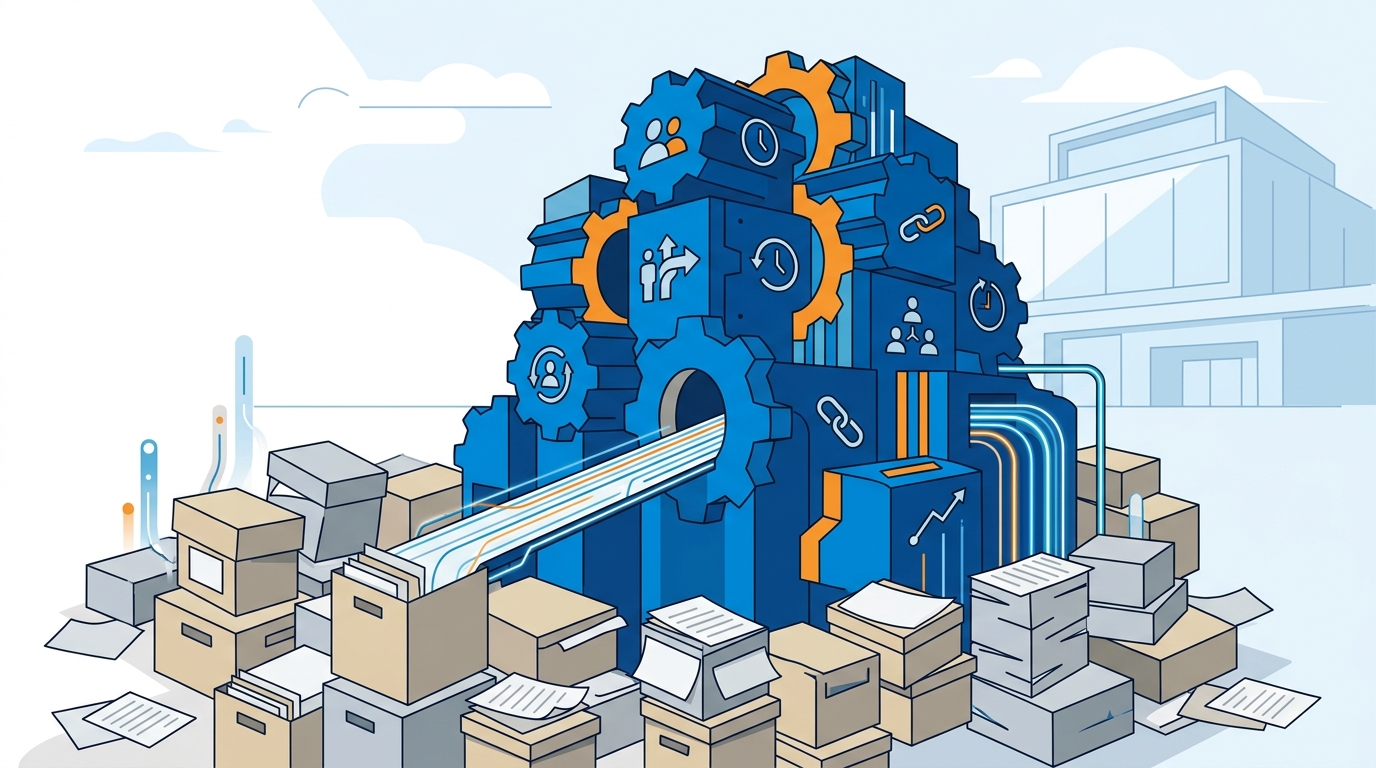
The Critical Role of Integration Ecosystems
No HCM system exists in a vacuum. The ability to integrate with existing financial, productivity, and recruitment tools is a decisive factor in vendor selection. A platform that forces you to abandon your current tech stack will create friction and resistance among users.
Financial and Productivity Integrations
Seamless connectivity with accounting software is non-negotiable for accurate financial reporting. Additionally, integration with productivity suites like Google Workspace allows for streamlined user provisioning and collaboration. When your HCM system talks to your other tools, you eliminate duplicate data entry and ensure real-time accuracy across the organization.
Recruitment and Job Board Connectivity
The recruitment module should not operate in isolation. It must integrate with major job boards and applicant tracking systems to create a smooth candidate journey. This connectivity ensures that top talent is captured and processed efficiently, reducing time-to-hire metrics.
For a comprehensive view of available connectivity options, review the Integration Directory to see how modern platforms connect with your existing infrastructure.
Navigating Compliance and Data Security
Regulatory compliance is one of the most complex challenges facing HR leaders today. Laws regarding wage and hour, benefits administration, and data privacy are constantly evolving. An effective HCM system must act as a compliance shield, automatically updating to reflect legislative changes.
Benefits Administration and ACA Compliance
In the United States, the Affordable Care Act (ACA) imposes strict reporting requirements on employers. A specialized ACA Manager tool within your HCM platform can automate eligibility tracking and reporting, significantly reducing the risk of penalties. This functionality is critical for mid-sized to large enterprises managing complex benefit structures.
Data Security and Privacy
HR data is highly sensitive. It includes social security numbers, bank details, and health information. Therefore, the vendor must adhere to rigorous security standards, including encryption at rest and in transit, multi-factor authentication, and regular security audits. Understanding the platform's approach to data security is essential for maintaining trust with your workforce.
Regional Regulatory Updates
For businesses operating in multiple states or countries, the system must handle localized tax rules, leave policies, and reporting requirements. For example, recent updates to California emergency contact laws require specific functionalities that not all legacy systems can support. Ensure your vendor has a proven track record of rapid regulatory updates.
Comparing Top HCM Vendors
Choosing the right vendor involves comparing their strengths against your specific organizational needs. Below is a comparative analysis of key considerations for leading HCM providers.
| Vendor Focus | Key Strength | Best For | Integration Depth |
|---|---|---|---|
| ONEHCM | Human Connection Management & Unified Record | Mid-market to Enterprise seeking personalized support | High (Google Workspace, Job Boards, Accounting) |
| Legacy ERP Providers | Deep Financial Integration | Large Enterprises with complex financial needs | Medium (Often requires custom APIs) |
| Specialized Niche Tools | Specific Module Depth (e.g., only Payroll) | Small Businesses with narrow needs | Low to Medium |
ONEHCM distinguishes itself by focusing on the "Human" in Human Capital Management. Their approach emphasizes dedicated partnership and personalized support, which is often lacking in larger, more impersonal vendor ecosystems. This is particularly valuable for organizations undergoing digital transformation who need guidance beyond just software access.
Implementation and Change Management
Even the best HCM system will fail if implemented poorly. The success of your evaluation depends heavily on the implementation strategy and change management plan.
Phased Rollout vs. Big Bang
Consider a phased rollout for complex organizations. Start with core HR and payroll, then layer on benefits and time & labor modules. This approach allows your team to master each component before moving to the next, reducing disruption to daily operations.
Training and Adoption
Training should not be a one-time event. It must be an ongoing process that includes resources for both HR administrators and end-users. Utilize video libraries and documentation to create a self-service learning environment. Encouraging early adopters within your organization can also drive broader adoption.
Measuring Success
Define clear KPIs before you begin. Metrics such as time-to-payroll, error rates, and employee satisfaction scores will help you measure the ROI of your new system. Regularly review these metrics to identify areas for optimization.
Key Takeaways
- Unified Data is Critical: A One Employee Record eliminates silos and ensures data accuracy across HR, payroll, and benefits.
- Integration Matters: Choose a platform that integrates seamlessly with your existing financial and productivity tools to reduce manual work.
- Compliance is Automated: Look for built-in ACA managers and automated regulatory updates to mitigate legal risks.
- Employee Experience Drives Adoption: Robust self-service features empower employees and reduce HR administrative burden.
- Vendor Partnership is Key: Personalized support and a dedicated partner approach can significantly accelerate implementation success.
- Security is Non-Negotiable: Ensure the vendor adheres to strict data security standards to protect sensitive employee information.
- Scalability is Essential: Your HCM system must be able to grow with your business, supporting new regions and complexities.
Frequently Asked Questions
What is the most important factor when evaluating an HCM system?
The most important factor is the platform's ability to unify data into a single source of truth. A fragmented system leads to errors, compliance risks, and poor employee experiences. Look for a "One Employee Record" architecture.
How does ONEHCM differ from other HCM providers?
ONEHCM focuses on "Human Connection Management," emphasizing personalized support and a dedicated partnership model. Unlike larger vendors that may offer impersonal, transactional support, ONEHCM works closely with clients to tailor the solution to their specific business needs.
Can an HCM system handle multi-state payroll compliance?
Yes, modern HCM systems like ONEHCM are designed to handle complex payroll requirements across multiple jurisdictions. They automate tax calculations, filings, and reporting to ensure compliance with local, state, and federal regulations.
What integrations are typically available for HCM platforms?
Most modern platforms offer integrations with major accounting software, productivity suites like Google Workspace, and various job boards. Review the Integration Directory for specific details on connectivity options.
How long does it take to implement an HCM system?
Implementation timelines vary based on the complexity of your organization and the modules selected. A typical implementation can take anywhere from three to six months. A phased approach can help manage this timeline and reduce disruption.
Is data security a major concern with cloud-based HCM?
Data security is a top priority for all reputable HCM providers. They employ encryption, multi-factor authentication, and regular security audits to protect sensitive employee data. It is essential to ask vendors about their specific security protocols during the evaluation process.
Next Steps
Evaluating an HCM system is a significant decision that impacts every aspect of your organization. By focusing on unified data, robust integrations, and personalized support, you can choose a platform that drives measurable impact. Do not settle for a generic solution. Partner with a provider that understands your unique challenges.
Ready to see how ONEHCM can transform your HR operations? Request a Demo today to experience the power of Human Connection Management firsthand.