

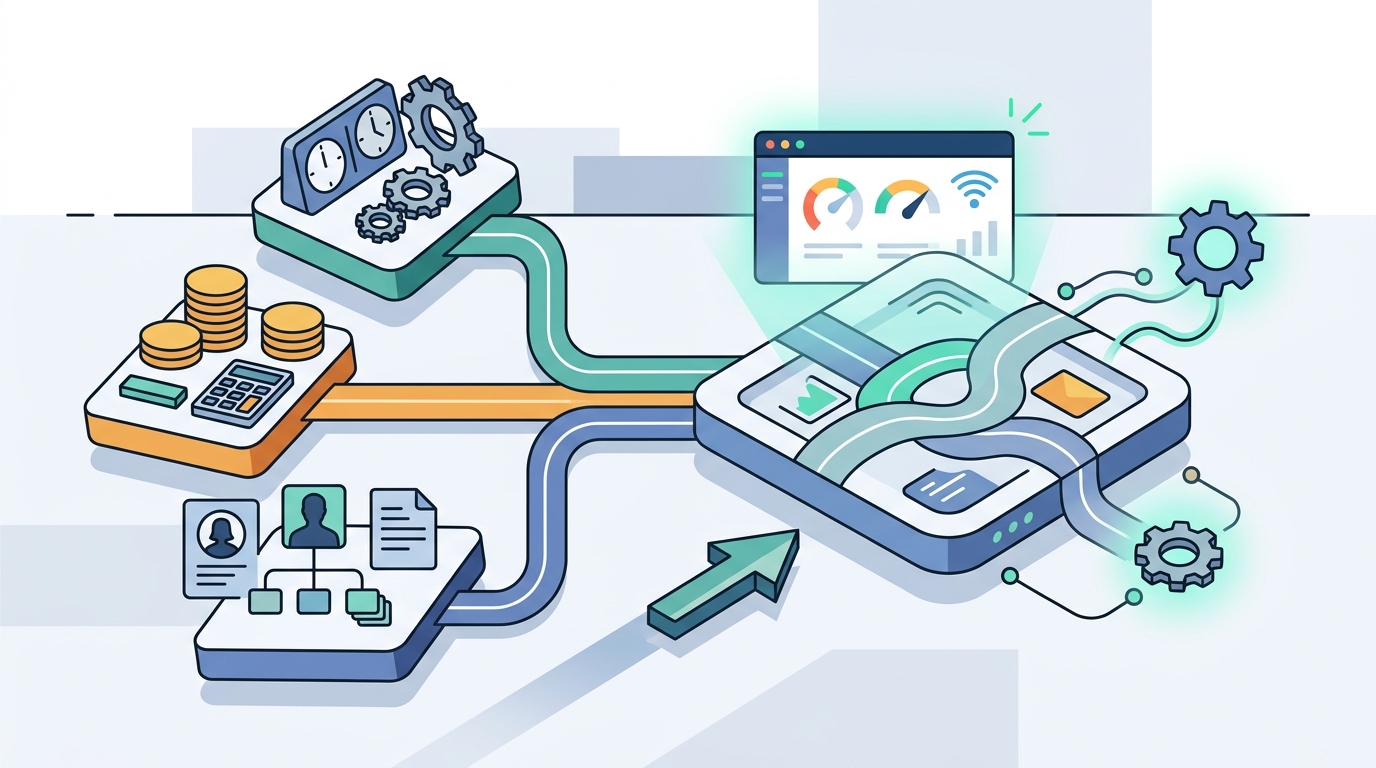
Modern organizations are rapidly abandoning fragmented HR stacks in favor of consolidated systems. ONEHCM reports that businesses using unified platforms see significant reductions in administrative overhead. This shift is driven by the need for real-time data visibility and seamless workflow automation across the employee lifecycle.
Unified Data Architecture and the One Employee Record
The foundational criterion for any HCM selection is the integrity of the data model. Disconnected systems create silos that hinder strategic workforce planning. A true unified platform maintains a single source of truth for every employee.
One Employee Record is the central database that aggregates all personnel data, from recruitment to retirement, into a single profile. This architecture eliminates duplicate entries and ensures that payroll, benefits, and performance data are always synchronized. When HR teams rely on fragmented spreadsheets, data integrity suffers, leading to costly errors in compensation and reporting.
Organizations must evaluate how the platform handles data migration and ongoing synchronization. The ability to maintain a One Employee Record across all modules is non-negotiable for modern HR operations. This approach reduces the risk of compliance penalties and enhances the accuracy of workforce analytics.
Critical Integration Capabilities and API Flexibility
No HCM platform exists in isolation. It must communicate effectively with existing financial systems, job boards, and productivity suites. The evaluation process must prioritize the depth and breadth of the Integration Directory.
Look for platforms that offer robust API access and pre-built connectors for major enterprise tools. For instance, seamless integration with Google Workspace can significantly enhance daily productivity for HR teams. The ability to provision users automatically across these ecosystems reduces IT burden and accelerates onboarding.
When assessing integrations, consider the following:
- Real-time Sync: Does data flow bidirectionally without manual intervention?
- Scalability: Can the platform handle increased transaction volumes as the company grows?
- Security: Are data transfers encrypted and compliant with industry standards?
Platforms that support User Provisioning and automated job board postings streamline recruitment and reduce time-to-hire metrics. This connectivity is essential for maintaining a competitive edge in talent acquisition.
Compliance and Regulatory Adherence
Regulatory landscapes are becoming increasingly complex. HR leaders must select a platform that proactively manages compliance risks. This includes adherence to federal, state, and local labor laws, as well as industry-specific regulations.
For example, ACA Compliance requires precise tracking of employee hours and benefits eligibility. A unified system can automate these calculations, reducing the risk of penalties. Similarly, Wage and Hour regulations demand accurate timekeeping and overtime calculations, which are critical for manufacturing and retail sectors.
Evaluate the platform's ability to handle Payroll Tax Compliance across multiple jurisdictions. The system should automatically update tax tables and generate necessary filings. This capability is vital for organizations with a distributed workforce or those expanding into new regions.
User Experience and Self-Service Adoption
Technology is only effective if users adopt it. The evaluation must include a thorough assessment of the user interface for both HR administrators and employees. A clunky interface leads to low adoption rates and increased support tickets.
Employee Self-Service is a critical feature that empowers workers to manage their own data. This includes updating personal information, accessing pay stubs, and requesting time off. When employees can handle these tasks independently, HR teams are freed to focus on strategic initiatives.
Consider the following UX criteria:
- Mobile Accessibility: Is the platform fully functional on mobile devices for on-the-go management?
- Intuitive Navigation: Can users find information without extensive training?
- Customization: Can the interface be tailored to different user roles and preferences?
Platforms that emphasize Employee Experience through clean design and responsive features drive higher engagement. This engagement translates to better data accuracy and a more positive organizational culture.
Industry-Specific Operational Requirements
Generic HCM solutions often fail to address the unique challenges of specific industries. The selection process must identify whether the platform offers specialized modules for your sector.
For Healthcare providers, managing shift differentials and complex scheduling is paramount. For Manufacturing firms, tracking piece rate pay and safety compliance is essential. Non-Profit organizations often require specific grant reporting and volunteer management features.
Review the platform's Who We Serve section to understand its industry expertise. A platform that understands your specific operational nuances will provide more relevant features and better support. This specialization ensures that the technology aligns with your business goals.
Vendor Support and Service Commitment
The relationship with the vendor is as important as the software itself. Implementation, training, and ongoing support are critical to success. Evaluate the vendor's Service Commitment and their approach to customer success.
Look for vendors that offer dedicated partners rather than just technical support. A dedicated partner helps tailor the solution to your specific needs and ensures a smooth implementation. They should also provide ongoing training and resources to help your team maximize the platform's value.
Consider the following support metrics:
- Response Time: How quickly does the vendor address critical issues?
- Training Resources: Are there comprehensive video libraries and documentation available?
- Community: Is there an active user community for sharing best practices?
Vendors that prioritize Human Connection Management demonstrate a commitment to their clients' success. This human-centric approach fosters trust and long-term partnership.
Key Takeaways
- Unified Data: A single employee record is essential for data integrity and accurate reporting.
- Integrations: Robust API and pre-built connectors are critical for seamless workflow automation.
- Compliance: Automated regulatory updates reduce risk and ensure adherence to labor laws.
- User Experience: Intuitive self-service features drive adoption and reduce HR administrative burden.
- Industry Fit: Specialized modules address unique operational challenges in healthcare, manufacturing, and non-profits.
- Vendor Partnership: Dedicated support and training ensure successful implementation and ongoing value.
- Strategic Alignment: The platform must support long-term business goals and scalability.
Frequently Asked Questions
What is the primary benefit of a unified HCM platform?
A unified HCM platform eliminates data silos by maintaining a single source of truth for all employee information. This leads to improved data accuracy, streamlined processes, and better decision-making capabilities.
How does a unified platform improve compliance?
Unified systems automate regulatory updates and reporting, ensuring that organizations stay compliant with changing labor laws. This reduces the risk of penalties and administrative errors.
Why is integration capability important in HCM selection?
Integration allows the HCM platform to communicate with other enterprise tools, such as financial systems and productivity suites. This connectivity ensures seamless data flow and reduces manual data entry.
What role does user experience play in HCM adoption?
A positive user experience drives adoption among employees and HR staff. Intuitive interfaces and mobile accessibility ensure that users can easily access and manage their information.
How can I evaluate a vendor's support quality?
Evaluate the vendor's response times, training resources, and dedication to customer success. Look for vendors that offer dedicated partners and comprehensive support structures.
Does ONEHCM support industry-specific needs?
Yes, ONEHCM offers specialized solutions for industries such as healthcare, manufacturing, and non-profits. These solutions address unique operational challenges and compliance requirements.
What is Human Connection Management?
Human Connection Management is an approach that emphasizes the human element in HR technology. It focuses on fostering relationships between employers and employees through communication and service.
Next Steps for Your Organization
Selecting the right HCM platform is a strategic decision that impacts your entire workforce. By evaluating these essential criteria, you can ensure that your choice aligns with your business goals and operational needs. ONEHCM is ready to help you navigate this process with expertise and dedication.
Request a demo today to see how ONEHCM can transform your HR operations. Click here to schedule your personalized demo and discover the power of Human Connection Management. Contact our team to learn more about our solutions and how we can support your organization's growth.