

Organizations today face a critical inflection point in workforce management. According to recent industry analyses, companies using disconnected HR systems spend an average of 20% more time on administrative tasks than those utilizing integrated platforms. This statistic highlights the urgent need for a strategic approach to technology selection. The goal is not merely to replace legacy software but to establish a foundation for scalable growth and employee engagement.
Core Principles of Human Connection Management
The modern human resources landscape has shifted from transactional processing to relational management. Human Connection Management is a strategic approach that prioritizes the emotional and operational connection between employers and employees through technology.
Traditional Human Capital Management (HCM) systems often treat employees as data points. In contrast, a unified platform should facilitate communication, collaboration, and personalized experiences. When selecting a vendor, ask how their technology supports the entire employee lifecycle. From recruitment to retirement, the system must maintain a single, continuous record of the individual.
Consider the concept of One Employee Record. This is a centralized data architecture where all employee information, from benefits enrollment to performance reviews, resides in a single source of truth. This eliminates data silos and ensures that HR professionals have real-time visibility into workforce dynamics.
Furthermore, the platform must balance automation with human touch. While AI and automation handle routine tasks, the system should empower HR teams to focus on high-value interactions. This balance is critical for maintaining organizational culture in an increasingly remote and hybrid work environment.
Evaluating Integration and Data Architecture
No HCM platform exists in isolation. It must communicate seamlessly with financial systems, project management tools, and identity providers. A fragmented integration strategy leads to data inconsistencies and increased IT overhead.
Unified Data Flow
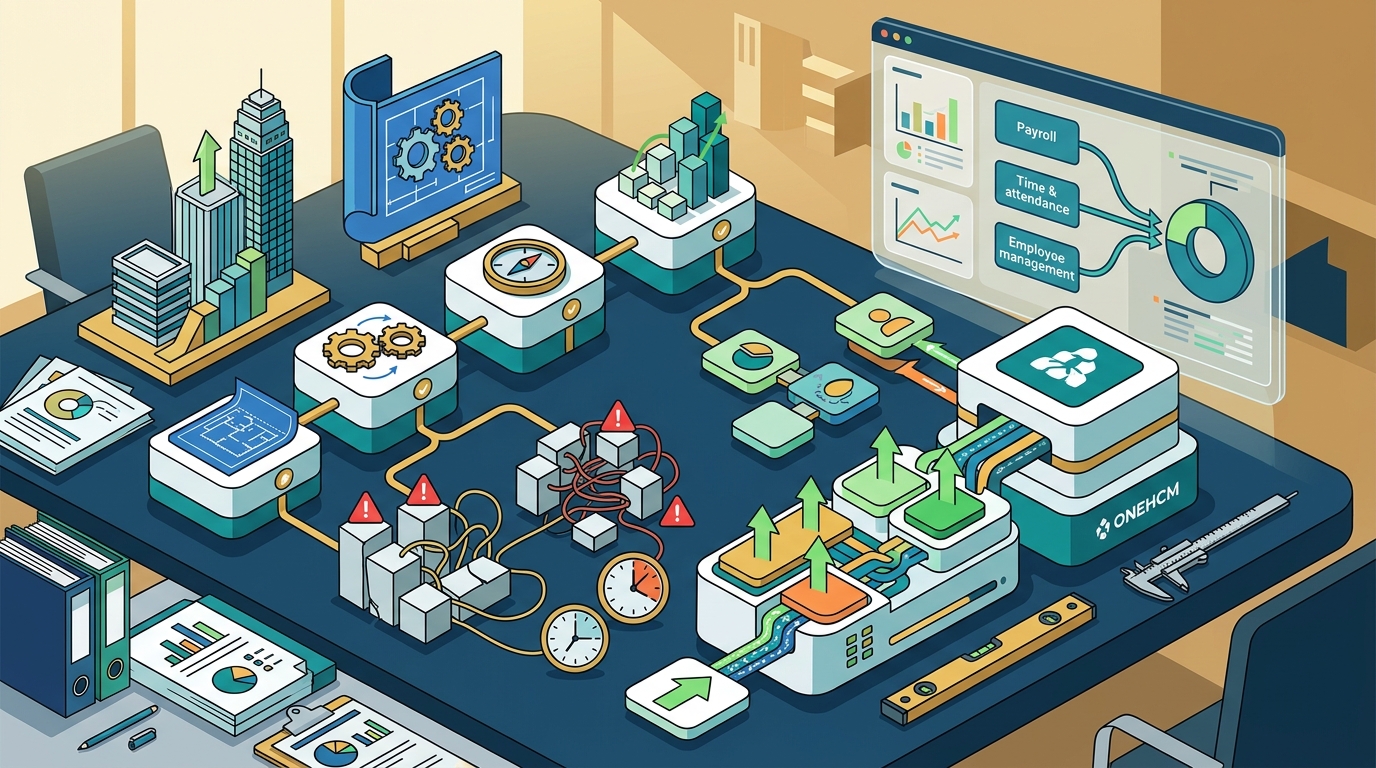
Look for platforms that offer seamless information sharing between modules. For example, time and labor data should automatically flow into payroll without manual intervention. This reduces the risk of errors and ensures accurate compensation. According to data from workforce management studies, automated payroll integration reduces processing errors by up to 95%.
Extensibility and APIs
Robust API capabilities are non-negotiable. Your chosen platform must support custom integrations with existing enterprise software. Check if the vendor provides an Integration Directory that lists pre-built connectors for popular tools like Google Workspace, job boards, and carrier connections.
Additionally, evaluate the platform's ability to handle user provisioning. Automated user onboarding and offboarding processes save significant administrative time. Ensure the system supports single sign-on (SSO) and multi-factor authentication (MFA) for enhanced security.
Compliance, Security, and Regulatory Standards
Regulatory compliance is a major driver for HCM selection. Laws regarding data privacy, wage and hour, and benefits administration vary by region and change frequently. A unified platform must adapt to these changes automatically.
Regulatory Updates
Verify that the vendor actively monitors legislative changes. For instance, recent updates in California regarding emergency contact laws require specific system functionalities. According to legal compliance reports, failure to update systems for new state laws can result in significant penalties. Ensure the platform includes tools for compliance management that alert HR teams to upcoming deadlines.
Data Security Protocols
Employee data is sensitive. The platform must adhere to strict security standards such as SOC 2 Type II and GDPR. Ask the vendor about their data encryption methods, both in transit and at rest. Additionally, inquire about their disaster recovery and business continuity plans.
Consider the platform's role in benefits administration. Unified benefits tools simplify enrollment and ACA compliance. According to industry benchmarks, organizations using unified benefits administration reduce administrative costs by 30%.
Vendor Assessment and Service Commitment
The relationship with your HCM vendor is long-term. Evaluate their service model, support structure, and commitment to customer success.
Service Delivery Model
Determine if the vendor offers a dedicated partner model or a transactional support structure. A dedicated partner approach ensures that your organization receives personalized guidance during implementation and ongoing operations. This is particularly important for complex deployments in industries like healthcare or manufacturing.
Scalability and Customization
The platform must scale with your organization. Evaluate the system's ability to handle increasing user volumes and complex organizational structures. Look for features like advance scheduling and piece rate pay if you operate in industries with fluctuating workforces.
Review the vendor's service commitment documentation. This should outline their response times, escalation procedures, and customer success metrics. A strong commitment to service reduces operational risk.
Industry-Specific Solutions
Not all HCM platforms are created equal. Some vendors specialize in specific verticals. For example, if you are in the non-profit sector, look for tools that support grant reporting and volunteer management. If you are in healthcare, prioritize compliance with HIPAA and staffing optimization tools.
Implementation Roadmap and Change Management
Successful implementation requires more than just software installation. It demands a structured approach to change management and data migration.
Data Migration Strategy
Plan for the migration of historical data. Ensure the vendor provides tools for data cleansing and mapping. Inaccurate data migration can lead to payroll errors and compliance issues. According to technology adoption studies, proper data migration reduces post-launch support tickets by 40%.
User Adoption and Training
Employee adoption is critical. The platform must offer intuitive interfaces for both HR administrators and employees. Look for self-serve scheduling and mobile payroll features that empower users to manage their own information.
Develop a comprehensive training plan. Utilize the vendor's video library and forms and downloads to support your training efforts. Engage key stakeholders early in the process to build advocacy.
Phased Rollout
Consider a phased rollout strategy. Start with core modules like HR and payroll, then expand to time and labor, benefits, and recruitment. This approach allows for iterative learning and adjustment. It also minimizes disruption to business operations.
Key Takeaways
- Unified Architecture: A single platform for HR, payroll, and time management reduces errors and improves data accuracy.
- Human Connection: Prioritize vendors who emphasize communication and employee engagement over mere transactional processing.
- Integration Depth: Verify pre-built connectors for job boards, carrier connections, and financial systems to ensure seamless data flow.
- Compliance Agility: The platform must automatically update for regulatory changes in wage and hour, benefits, and data privacy.
- Dedicated Support: Choose a vendor that offers a dedicated partner model rather than generic customer service.
- Scalability: Ensure the system can handle complex scheduling, piece rate pay, and multi-location operations.
- Change Management: Successful adoption requires robust training resources and a phased implementation strategy.
Frequently Asked Questions
What is the primary benefit of a unified HCM platform?
A unified HCM platform eliminates data silos by maintaining a single employee record across all modules. This reduces administrative overhead, minimizes errors, and provides real-time insights into workforce performance.
How does ONEHCM support compliance?
ONEHCM provides tools for ACA compliance, wage and hour tracking, and regional regulatory updates. The platform includes automated alerts for upcoming deadlines and ensures accurate reporting for government agencies.
Can the platform integrate with existing job boards?
Yes, the platform offers an integration directory that includes pre-built connectors for major job boards, Google Workspace, and other enterprise tools. This ensures seamless data exchange and reduces manual entry.
What industries does the platform serve?
The platform serves a wide range of industries, including non-profit, healthcare, brokers, manufacturing, and retail. Each industry has specific compliance and operational needs that the platform addresses through specialized features.
How does the platform handle employee scheduling?
The platform offers self-serve scheduling features that empower managers and employees to create and manage schedules. It includes tools for advance scheduling, timekeeping, and attestation to ensure accurate labor tracking.
What kind of support does the vendor provide?
The vendor offers a dedicated partner model with personalized support for benefits, time and labor, payroll, and compliance. This includes implementation assistance, training, and ongoing customer success management.
Is there a mobile option for employees?
Yes, the platform includes mobile capabilities for payroll, timekeeping, and benefits administration. This allows employees to access their information and complete tasks from anywhere.
Next Steps for Your Organization
Selecting the right HCM platform is a strategic decision that impacts your entire organization. By following this decision framework, you can ensure that your choice aligns with your business goals and employee needs. Do not settle for fragmented solutions. Choose a partner that understands the human side of management.
Ready to transform your workforce management? Request a Demo today to see how ONEHCM can help you achieve measurable impact. Contact our team to discuss your specific requirements and explore our comprehensive suite of tools.